
No marathon gets easier later. The halfway point only marks the end of the beginning.
— Joe Henderson
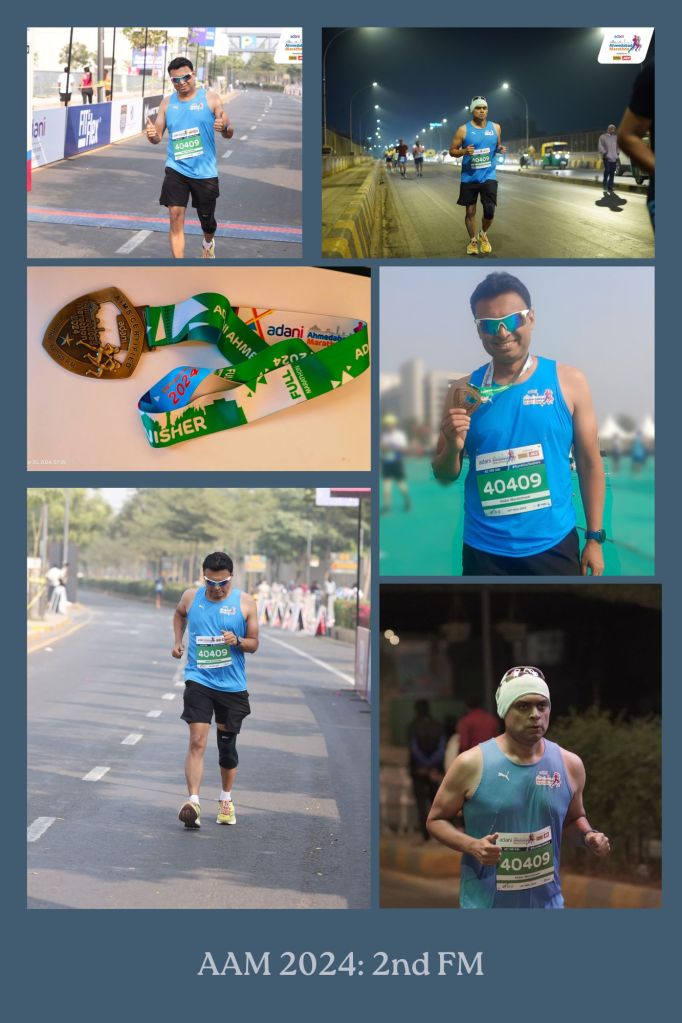
Six years into my running journey, I’ve realized one thing: the term “effortless” doesn’t belong in a runner’s vocabulary. Every run, no matter how much you train, demands physical and mental effort. After my less-than-satisfactory debut at the Tata Mumbai Marathon (TMM) earlier this year, I decided to take a step back and reassess my approach to training.
A Change in Strategy
Reflecting on my first full marathon, I realized my downfall wasn’t just a lack of fitness but a flawed race strategy, starting too fast and burning out early. I decided to step away from virtual coaching and embrace the guidance of my local running group in Pune, the Bavdhan Brigade. This group wasn’t just a collection of runners; they were mentors, motivators, and friends who helped refine my strategy and technique.
Over the next six months, I reduced my participation in events to focus on targeted training runs, tweaking my pacing strategy and strengthening my weaknesses. Balancing work and training was no easy task, especially with my frequent work-related travel. However, I turned this challenge into an advantage by participating in events wherever I traveled. Each new course taught me something unique, building my experience and confidence.
The Decision to Register
When I signed up for the Adani Ahmedabad Marathon, my primary goal was redemption. After missing my target at TMM, I aimed for a finish time of 4:50 hours this time. Training had gone well, and I even programmed a run-workout plan into my Garmin. Unfortunately, technical glitches on race day meant it didn’t sync. Still, I felt prepared to tackle the course with a revised pacing strategy in mind.
Race Day
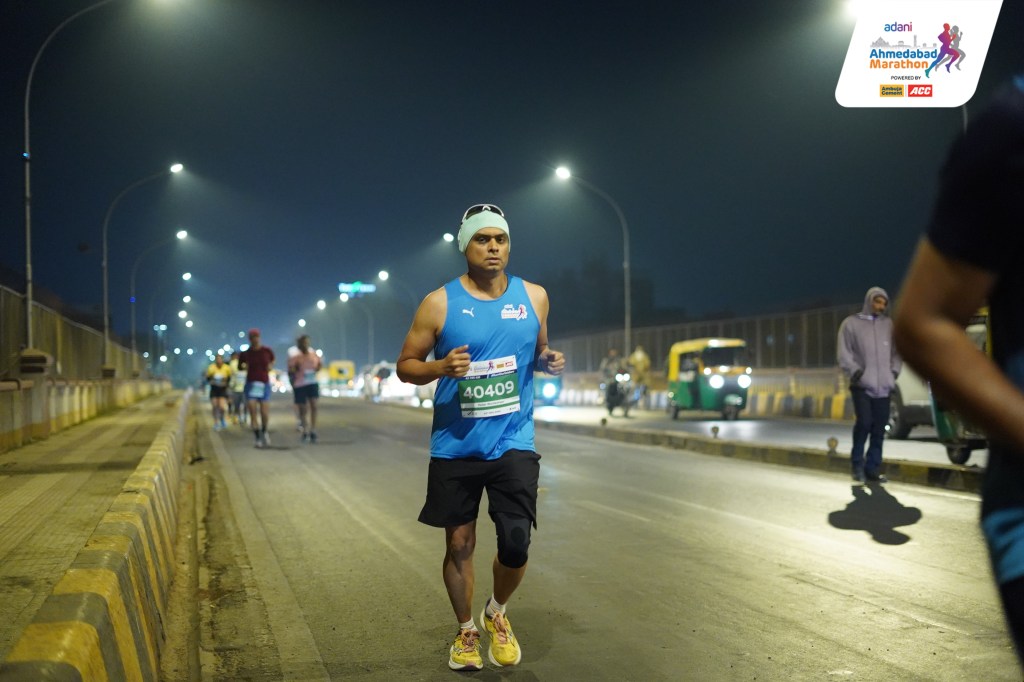
Ahmedabad greeted us with an unexpectedly cool morning, a perfect setup for marathon running. The start-line arrangements were impressive, with ample space for warm-ups and enthusiastic volunteers cheering us on. However, the pre-race Zumba session for Full Marathon (FM) participants felt misplaced. Most of us have our personalized warm-up routines, and such sessions would better suit shorter-distance participants.
The flag-off was exhilarating, complete with fireworks lighting up the pre-dawn sky as the national anthem played. I started cautiously, correcting my biggest mistake from TMM—going out too fast. The course, especially the stretch along the Sabarmati River, was mesmerizing. The cool breeze, shimmering reflections on the water, and rhythmic sound of shoes hitting the pavement created a magical atmosphere.
Settling Into the Rhythm
By the 5th kilometer, I had settled into a steady pace of 6:30–6:45 per kilometer, well within my target. I felt strong and comfortable, as if I were on a long training run. Crossing paths with elite runners I admired was humbling and inspiring, but I quickly refocused on my own race. At the 10th kilometer, I took my first gel along with salt capsules to stave off cramps later.
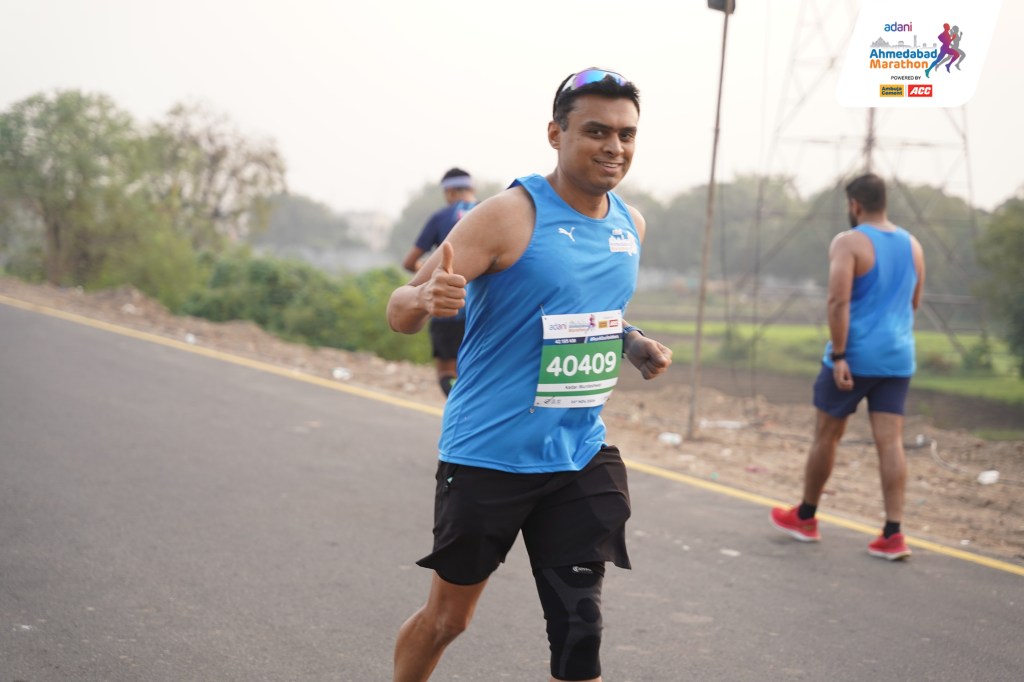
The halfway mark came at 2:16, precisely on target. The 25 km U-turn had a slight elevation, where I began to feel the first signs of fatigue. A brief walk seemed to help, but then came the unexpected—a sharp pain in my left thigh around the 27 km mark.
Pushing Through the Pain
What began as discomfort quickly worsened, descending to my knee. By the time I reached the aid station, I was limping. To my dismay, there was no doctor, only volunteers with spray cans. I sprayed my leg and resumed, but the pain persisted.
With 15 kilometers to go, the thought of quitting crossed my mind. Yet, the fear of a “Did Not Finish” (DNF) next to my name pushed me to keep going. I set a mental checkpoint—covering the next 4 kilometers, the distance from ASM to Pashan Circle back home.
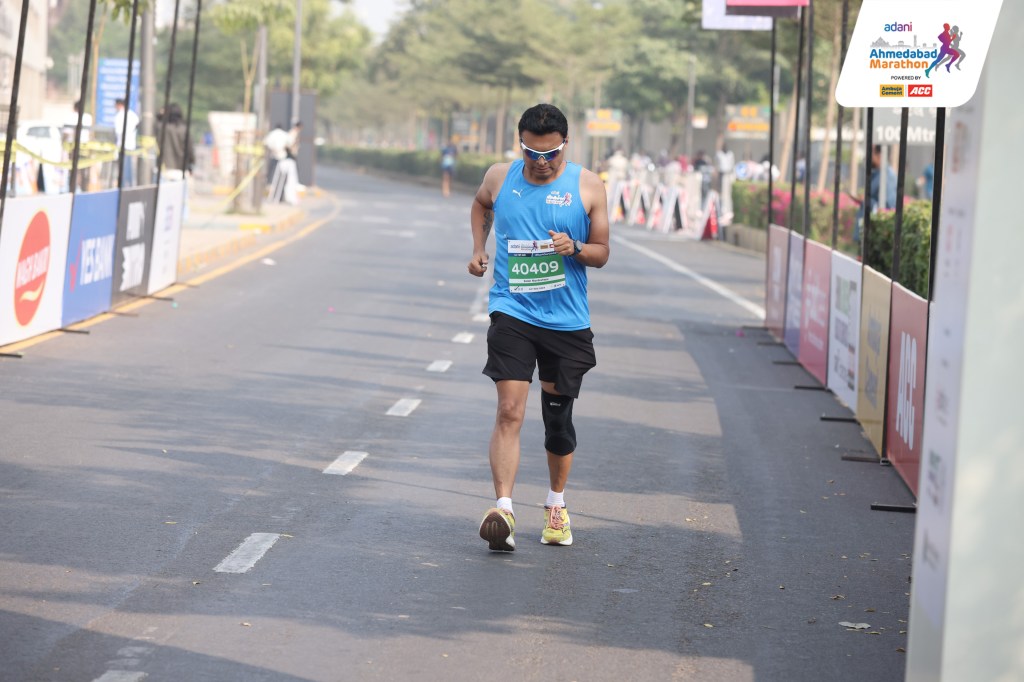
Somehow, I reached 30 kilometers in 3:32, still within the timeframe to achieve my goal. But as my legs gave up, running turned to walking. I tried fast-walking to maintain a decent pace, but even that felt excruciating.
The Last Leg
By the 38th kilometer, I was completely drained. Water stations began running low, and I had to ration my fluids. My mind battled my body, urging me to quit. But my heart refused to give up. I talked to myself out loud, encouraging my legs to carry me just a little further. Other runners cheered me on, their words of encouragement fueling my dwindling resolve.
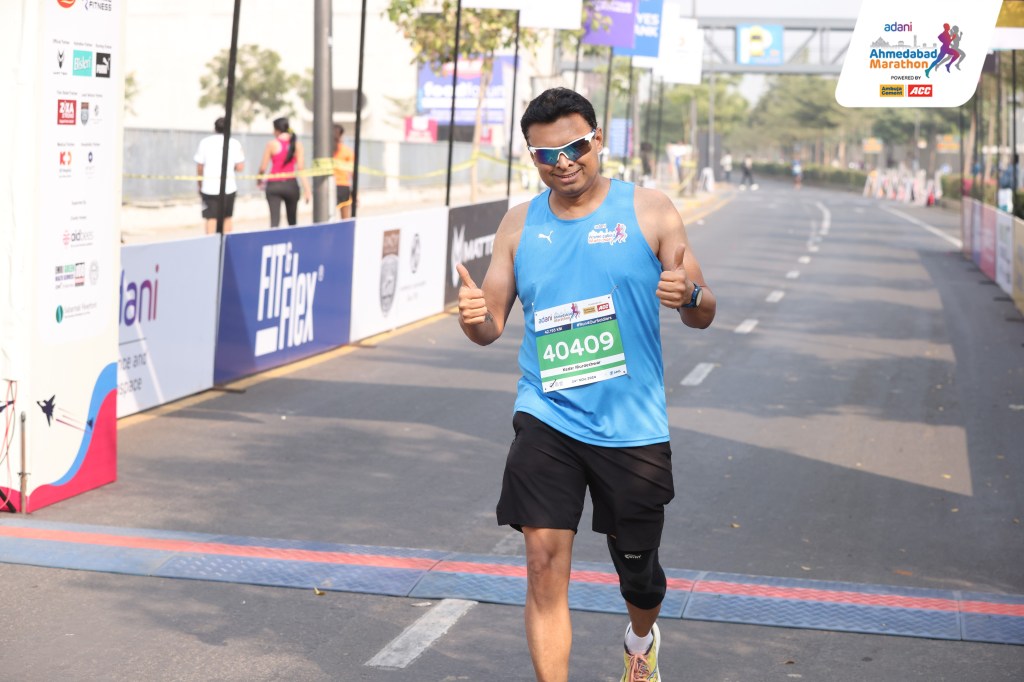
When I saw the 200-meter mark, sheer adrenaline took over. A group of spectators clapped and shouted, “Give it one last push!” A young boy winked at me, as if daring me to finish strong. Summoning every ounce of strength, I broke into a limp-run and crossed the finish line.
The finish-line photographer captured the pain etched on my face, but I didn’t care—I had done it. I finished in 5.33.50 which was almost 3 mins lesser than my first.
Post-Race Reflections
In hindsight, my performance could have been better with more attention to hydration. I had focused so much on gels and salt capsules that I neglected regular water intake in the first half. This likely contributed to my muscle fatigue and cramps. Additionally, skipping strength training in the weeks leading up to the race left my weak knee vulnerable.

Despite the setbacks, this marathon taught me invaluable lessons. Every marathon, whether it goes as planned or not, is a teacher. Running a marathon is the ultimate combination of agony and ecstasy. The pain is inevitable, but so is the unparalleled sense of accomplishment when you cross the finish line.
Moving Forward
I may not have hit my target time, but I finished, and that’s what matters most. Each race is a step forward in my running journey, and I’m already looking ahead to the next challenge. If there’s one thing I’ve learned, it’s this: No marathon is easy, but every marathon is worth it.
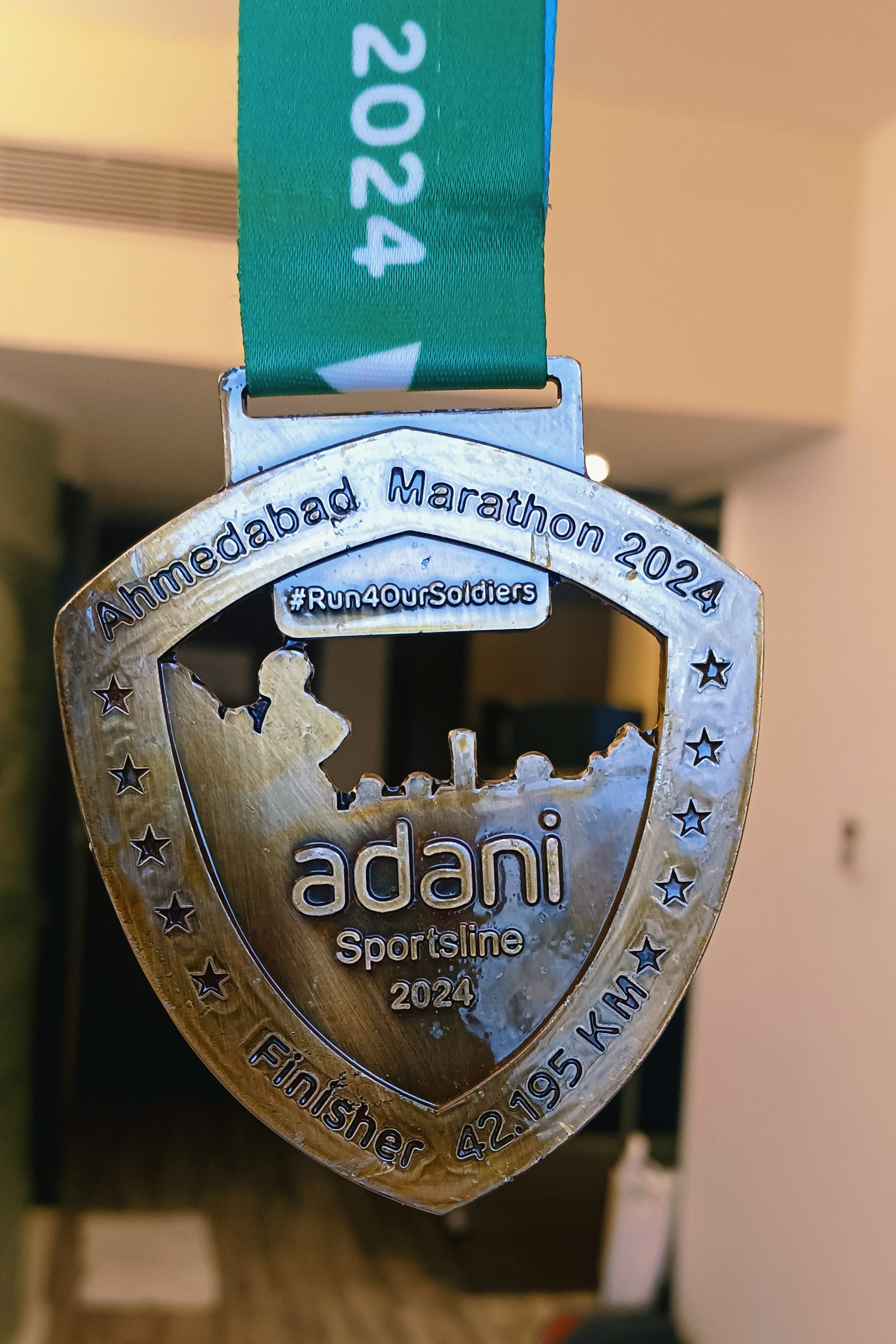
For now, I’ll focus on recovery, strength training, and refining my strategy. With every run, I’ll get closer to mastering the art of balancing endurance, strength, and strategy. Because as runners, we don’t just run to finish—we run to learn, grow, and become better versions of ourselves.
 My Fitness Notion