
By Changing Nothing, Nothing Changes
True life is lived when tiny changes occur
– Leo Tolstoy
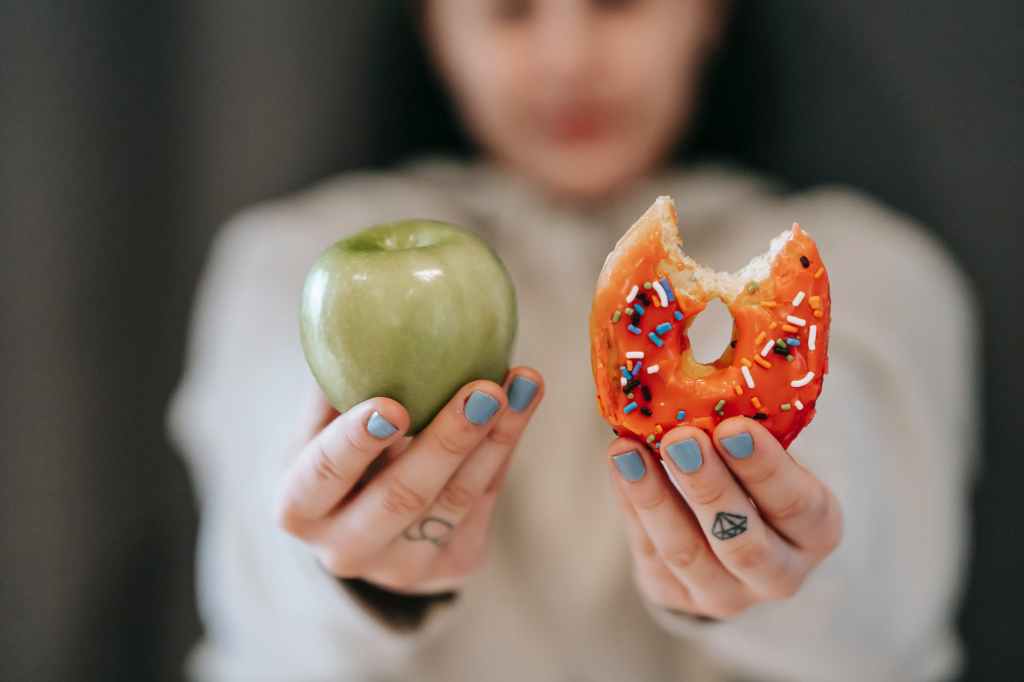
Have you been trying to lose weight for a while? You exercise often, but still can’t seem to make it happen? Does that question bother you? Let’s try to figure out why this is the case.
The secret recipe is 75% about what you eat and 25% about exercising. We work out regularly, but we’re not very careful about our eating habits. At first, we might stick to strict diets that leave us hungry or unsatisfied. This makes us start strong, but we often give up before we see real results. But not all diets are like this. If we plan them well, they can be effective. A diet plan needs to answer three important questions: How, What, and When. In this post, we’ll focus on the “How” part.
Train Your Brain
Your brain is like the boss of your body. It controls everything you do, whether you think about it or not. But it doesn’t like change. The brain is the first thing that gets in the way when you want to change something. It might try to make you give up. So, the first step to making a change is to train your brain. Don’t give up easily.
Eat the Right Amount
People in Okinawa Island, Japan, live longer than most people in the world. Some of them even live to be over 100 years old. One reason for this is a saying they have: “Hara Hachi Bu.” It means you should stop eating when you’re about 80% full.
Usually, we eat until we’re completely full, or even eat too much. But when you stop before being completely full, your stomach has some extra space. This helps your body digest food faster. A good way to do this is to use smaller plates for meals. Eat bigger meals earlier in the day and smaller ones as the day goes on. This helps your digestion, especially as the day goes on and your body gets tired. Eating slowly and having smaller portions can prevent many digestion problems.
But remember, this doesn’t mean you should eat too little. Your body needs around 1400-1800 calories each day. The amount also depends on how much you exercise. We’ll talk about this more in Part II of this series, where we’ll cover “What” you should eat.
Drink More Water
Usually, we wait until we’re thirsty to drink water. But it’s better to drink water even before your body tells you to. Try to drink at least 3-4 bottles of water during the day. Sip water every half hour if you can. I’ve found that drinking water regularly helps me feel less hungry. Stick to room temperature water, no matter the season, to quench your thirst.
Balance Your Diet
Your diet needs to be balanced. You should get all the different nutrients your body needs. Depending on your diet plan, you’ll decide what foods to eat. We’ll talk about this more in Part II of the series.
Fruits are healthy, but it’s best to have them as a separate meal, not right after a main meal. Eating fruits with your main meal means your body doesn’t get all the nutrients from the fruits. Some experts suggest not eating fruits in the later part of the day. I followed this advice and it worked well for me.
Beat Unhealthy Food Cravings
While you’re working on losing weight, try to eat homemade food whenever you can. This way, you know what’s in your food. But this might not always be possible due to work or other reasons. If you’re ordering food or eating out, make smart choices. Avoid fried foods or refined carbs like bread. You can have a cheat meal once a week and enjoy foods you couldn’t have during the week. Just remember, even with a cheat meal, moderation is key. Avoid alcohol at first, because it might make you eat unhealthy foods. Once you’re in control of your diet, you can try alcohol in moderation.
Keep Exercising
Exercise is really important. Even though it’s just 25% of the equation, it helps control your hunger and manage your weight. Aim to exercise 4-5 days a week to lose or gain weight.
Changing your eating habits takes time. I gradually improved my habits and reached my goal. It took me about 4 years to go from 100 to 71 kgs. Now I can stick to my diet plan. Sometimes, I still have cravings and break the rules, but it doesn’t affect me as much as before.
So, be patient and listen to your body and stomach. Train your mind to ask for less food. It’s like a game of the mind. Start making these small changes to have a longer and healthier life. Start today!
In Part II of the series, we’ll answer the second question, “What,” and talk about the different types of food you need for a balanced diet, along with some suggestions. So stay tuned.
Stay Fit! Stay Healthy!
 My Fitness Notion
One thought on “Diet Plan – Part I”